Skip to content
Cosmetics_Static_Ad1_A
3PL Logistics

3PL Logistics: Definition, Benefits, and Choosing a Provider

3PL stands for Third-Party Logistics. A 3PL service provider handles operational logistics services for a company—such as receiving, warehousing, order fulfillment, packaging, shipping, and returns. Systems and processes are integrated in such a way that the service provider acts as an external logistics partner, while the client retains control over data, service levels, and key performance indicators.
Definition

What is a 3PL service provider?

A third-party logistics provider provides infrastructure, personnel, technology, and process expertise for its customers’ logistics needs. Unlike a pure transportation service provider, a 3PL typically handles several interconnected process steps in warehousing and shipping. The scope of services can start on a modular basis and extend to a fully integrated fulfillment setup.


The company retains ownership of its goods and remains responsible for its product range, sales channels, and customer commitments. The 3PL implements the agreed-upon processes, reports inventory levels and order status, and operates in accordance with defined quality and service standards.

Logistics Services

1PL, 2PL, 3PL, and 4PL—A Brief Overview

1PL: A company handles all storage and transportation using its own resources.

3PL: A partner takes over several operational logistics processes and is integrated into the system.

2PL: An external provider handles a single service, often transportation or warehouse space.

4PL: A higher-level service provider manages various logistics partners and networks without necessarily performing all services itself.

What services does a 3PL provide?

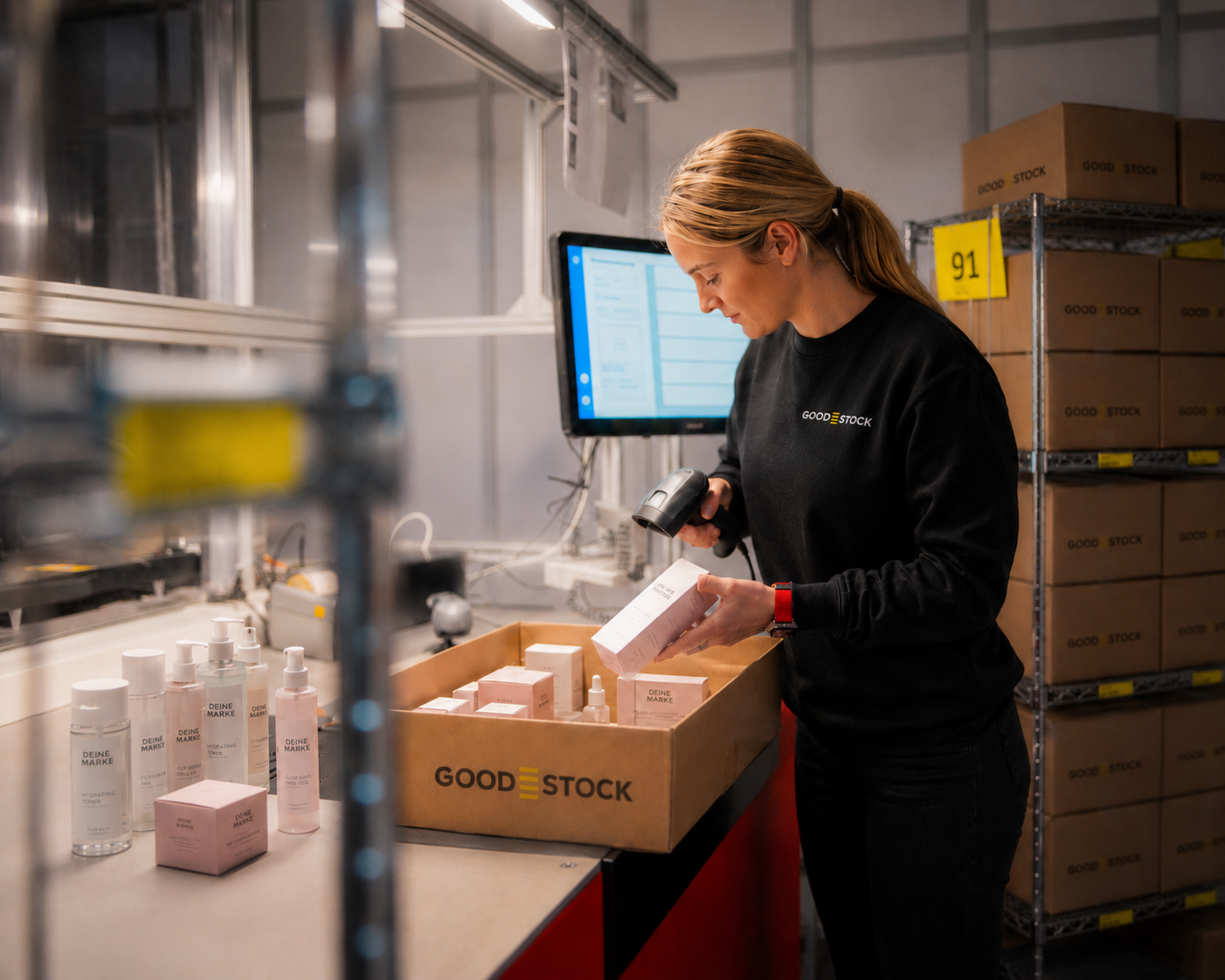
Typical services include receiving, warehousing, inventory management, pick-and-pack, kit assembly, packaging, shipping, carrier management, and returns processing. In addition, there are value-added services such as labeling, repackaging, inserts, gift wrapping, and customized quality control. In the B2B sector, pallet shipping, dealer deliveries, SLA processes, and customer-specific documents may also be relevant.
1W3A4389
Benefits

What are the benefits of 3PL logistics?

Scalable capacity instead of building up your own inventory and staff

Proven processes and existing warehouse technology

Better predictability of day-to-day operations, peak periods, and seasonal campaigns

Access to various shipping methods and carriers

Greater Transparency Through Integrated Order and Inventory Data

Internal teams can focus more on the product, sales, and customers

What risks do companies need to be aware of?

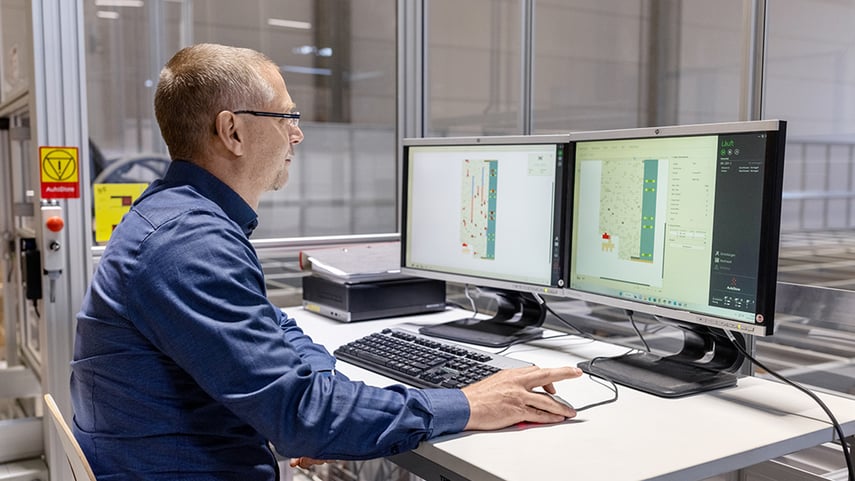
Outsourcing creates dependencies. Unclear interfaces, poor data quality, or undefined responsibilities can shift problems rather than solve them. Therefore, the scope of services, data flows, service levels, escalation procedures, and cost structure should be transparently agreed upon before the project begins. The operational plan should also address how to handle special cases, peak periods, and returns.
1400x788px_1W3A2854
The Right Choice

How to Choose the Right 3PL Provider

Check whether the product range, volume, variants, and shipping destinations align with the provider's operational focus.

Clarify existing standard integrations as well as responsibilities for interfaces and testing.

Get a transparent breakdown of costs for goods receipt, storage, picking, packing, shipping, and additional services.

Define KPIs, service levels, points of contact, and escalation procedures.

Evaluate the onboarding process: Data, product master data, test orders, inventory transfer, and go-live must be planned realistically.

3PL Logistics at GOOD-STOCK

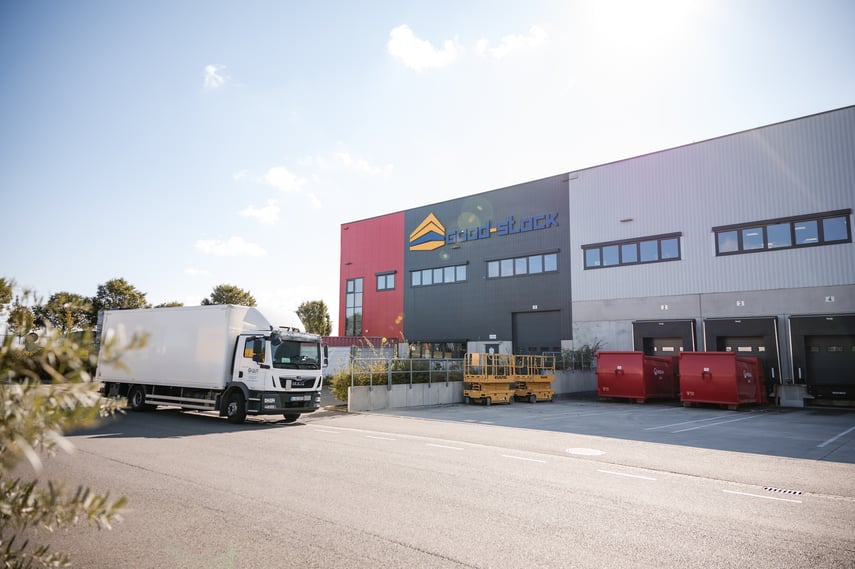
GOOD-STOCK combines 21,000 m² of logistics space in Berlin with AutoStore technology, scan-based order fulfillment, and dedicated account managers. This setup is designed for growing e-commerce brands and B2B companies with recurring shipping processes, product variants, bundles, or predictable order spikes. The specific business model is used to determine which services are most appropriate.
183 - 11349-kreativmedia
FAQ

Frequently Asked Questions

Fulfillment is a typical 3PL service. However, 3PL can encompass a broader range of services, such as B2B warehousing, pallet handling, or other operational logistics services.

Operational tasks are outsourced, but control must remain in-house. This requires clear data, reports, KPIs, points of contact, and defined approval processes.

That depends on the complexity of the process and your own costs. GOOD-STOCK is generally a good fit for seasonal models starting at around 500 shipments per month or 6,000 shipments per year.

We're here for you

Review a 3PL setup with no obligation

Together, we'll assess whether the product range, volume, systems, and service levels are a good fit for GOOD-STOCK.

Get Started Now

Do you have any special requirements?

Whether it's fashion, food, or electronics—let's talk about how we can optimize your process.