Skip to content
80 - 10526-kreativmedia
Value-Added Services

Packaging in Logistics: Tasks and Examples

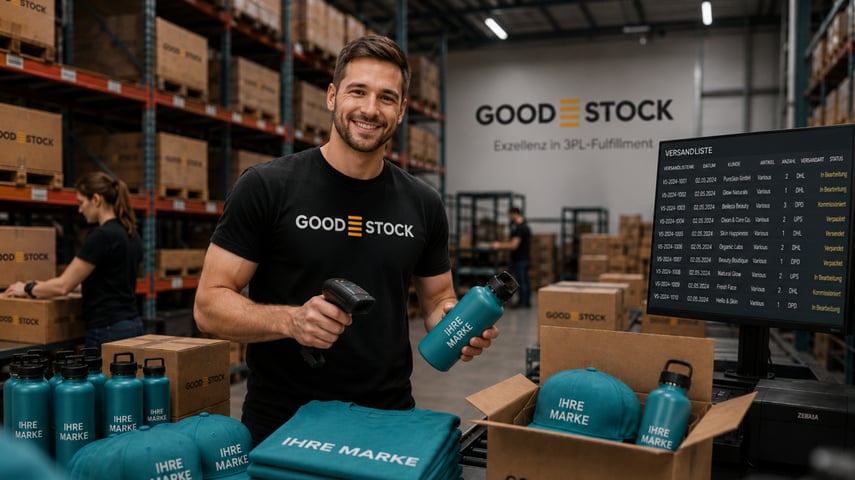
Kitting refers to additional steps that transform individual products into units ready for sale or shipment. These include, for example, sets, bundles, gift boxes, inserts, labels, or custom packaging. In fulfillment, kitting combines warehouse processes with brand presentation, campaigns, and specific order logic.
Definition

What does "kitting" mean in logistics?

Products are not always shipped exactly as they arrive from the manufacturer. Often, multiple components must be combined, repackaged, labeled, or have additional information added. These preparatory and value-added activities are referred to in logistics as kitting or value-added services.


The result can be a permanent sales set, a limited-edition promotional box, or an order-specific assortment. It is important that bills of materials, materials, sequences, and quality controls are clearly defined.

Scenarios

Typical examples

1

Combine multiple products into a bundle or gift set

2

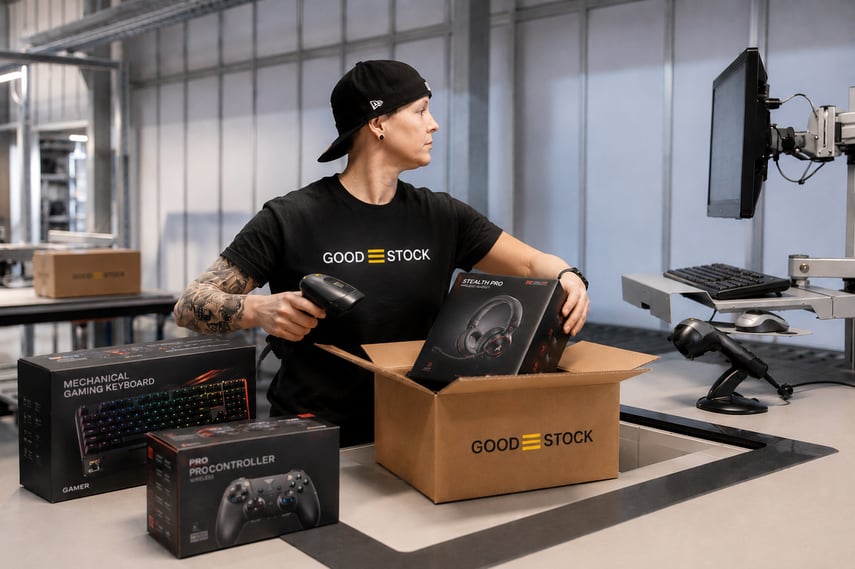
Packing Collector's Editions and Community Boxes with various items

3

Labeling and relabeling products, packaging, or boxes

4

Add flyers, coupons, greeting cards, or campaign-specific inserts

5

Repack goods into the brand's own packaging or shipping boxes

6

Prepare promotional packages for retailers, events, the press, or influencers

7

Perform defined visual and completeness checks

Assembly, Order Fulfillment, and Packaging—The Difference

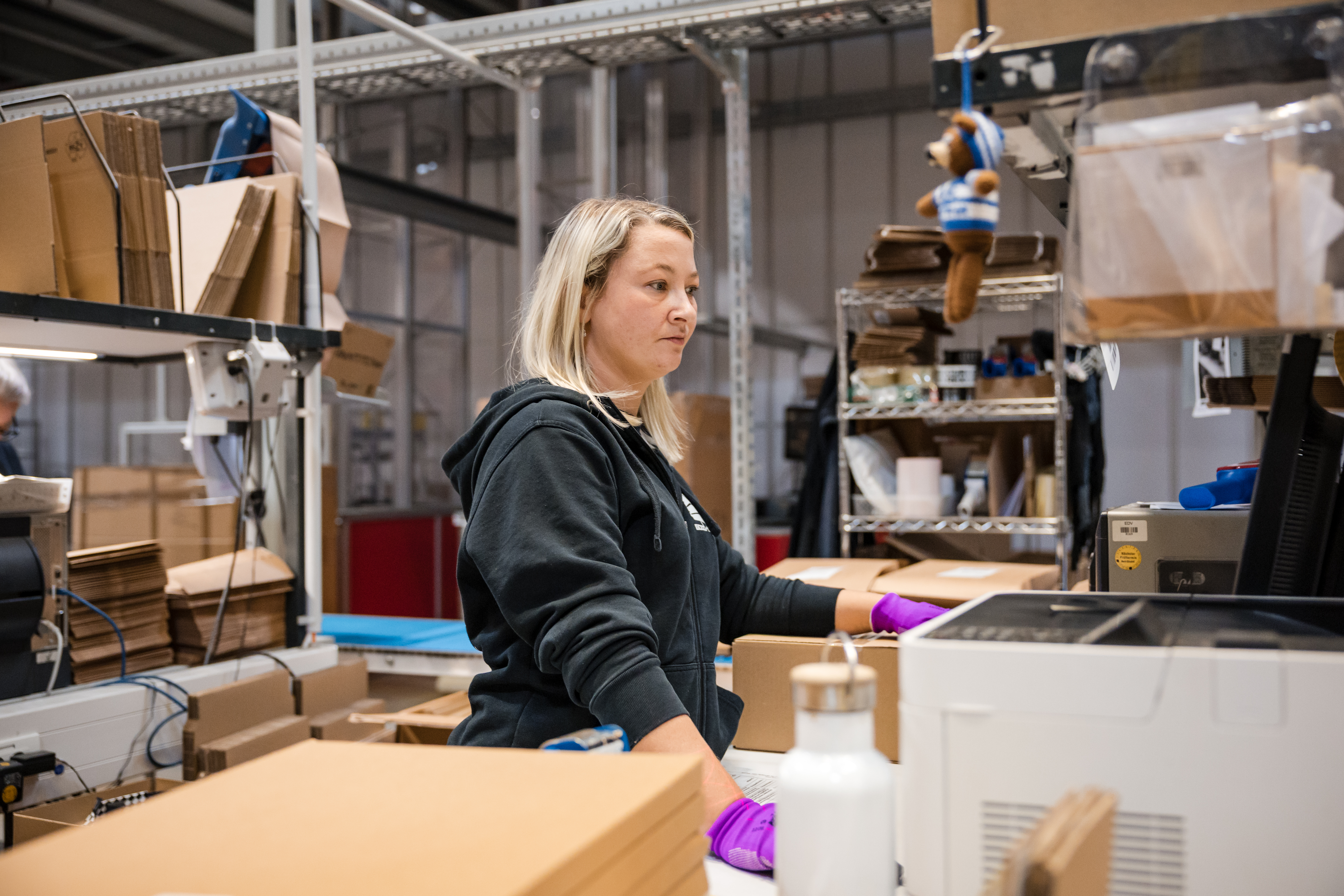
During order picking, items are retrieved for an order. Order kitting modifies or supplements the composition: several individual parts are combined to form a new logistical unit. Packaging protects this unit and prepares it for handover and shipment. In practice, these steps often flow directly into one another.
good_stock_merchandise_header2
Procedure

How to Plan a Packaging Process

1

Define the bill of materials and variants:

Which components go together, and in what quantities?
2

Planning Materials and Delivery:

Will the boxes, inserts, labels, and leaflets be available on time?

3

Define the work sequence:

What steps are involved, and in what order?
4

Determine quality control measures:

What is being counted, scanned, photographed, or checked on a random basis?
5

Mapping inventory and order logic:

Is it pre-manufactured, or is it assembled only after an order is placed?

6

Testing Release and Scaling:

A test run prevents errors in larger production runs.

Pre-production or on-demand assembly?

For campaigns or product launches that can be planned in advance, sets can be pre-produced and stored as complete units. This speeds up shipping later on, but ties up inventory in a fixed combination. With on-demand kitting, components remain flexible, but there is a cost associated with each order. The appropriate approach depends on forecasts, product variants, lead time, and the risk of changes.
Entertainment_Static_Ad1

Why Quality Controls Are Essential

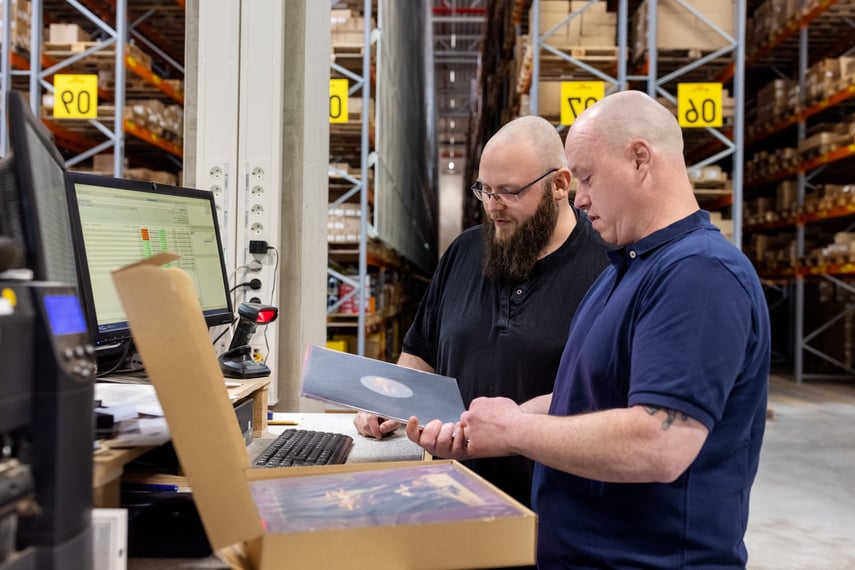
If even one component is missing, the entire box is considered incomplete from the customer’s perspective. That is why kitting projects require clear work instructions, approved samples, documented material levels, and defined inspections. For limited editions or time-sensitive campaigns, follow-up shipments, scrap, and replacement quantities should also be taken into account.
1W3A4109
In-house or Outsourcing

Outsource packaging

A fulfillment service provider can combine material receipt, temporary storage, kit assembly, quality control, and subsequent shipping into a single process. This reduces the number of hand-offs between multiple partners. Before a quote can be prepared, bills of materials, quantities, materials, quality requirements, and a timeline are needed.

FAQ

Frequently Asked Questions

The costs depend on the quantity, production steps, materials, variants, testing requirements, and schedule. A reliable cost estimate is based on a specific bill of materials and a sample process.

Yes. Pre-production makes sense when quantities and product combinations are consistent. If bundles change frequently, order-based kitting can be more flexible.

At a minimum, the following are required: a list of components, quantities, materials, packaging instructions, quality criteria, target date, and planned shipping logic
We're here for you

Implement Sets, Boxes, and Bundles Reliably

Describe the components, quantities, and schedule. GOOD-STOCK manages kitting, storage, and shipping as an integrated process.

Get Started Now

Do you have any special requirements?

Whether it's fashion, food, or electronics—let's talk about how we can optimize your process.