Skip to content
Fulfillment

What Is Fulfillment? Definition, Process, and Services

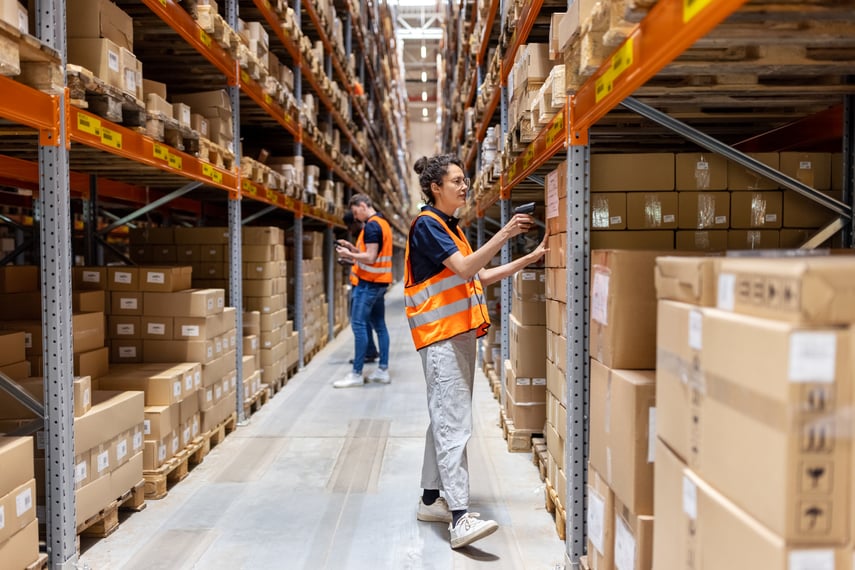
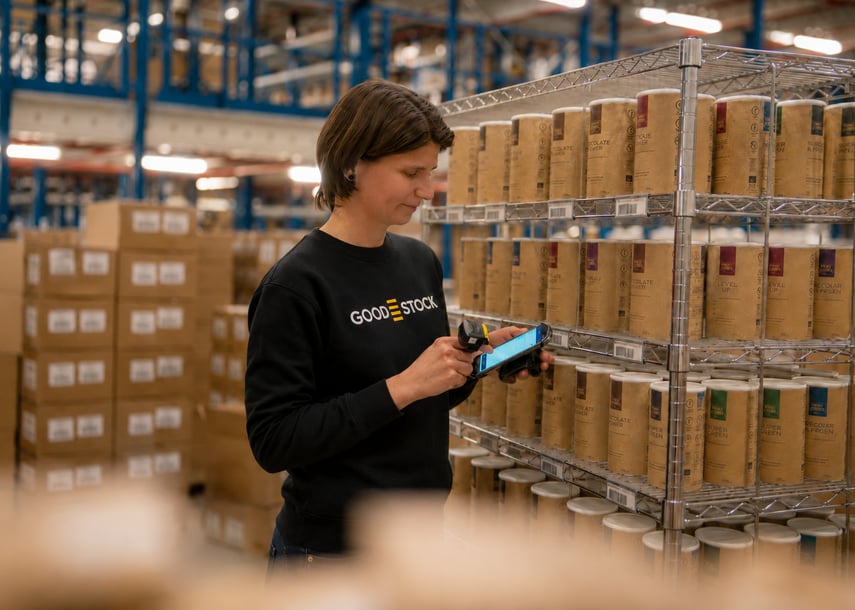
Fulfillment encompasses all the operational steps necessary to turn an order into a correctly delivered shipment. Depending on the business model, this includes receiving goods, warehousing, inventory management, order picking, packaging, shipping, and returns. Companies can handle these tasks themselves or outsource them to a fulfillment service provider.
Definition

What does "fulfillment" mean?

The English term “fulfillment” literally means “fulfillment.” In logistics, it refers to the fulfillment of a customer order: The ordered goods must be available, correctly picked, properly packaged, shipped on time, and, in the event of a return, processed efficiently. Fulfillment is therefore more than just shipping packages. It integrates warehouses, inventory, orders, data, and customer service into a seamless process.


In e-commerce, fulfillment typically begins as soon as an order from an online store or marketplace is transmitted to the warehouse. Operationally, however, the process begins even earlier—with goods receipt, quality inspection, putaway, and reliable inventory management.

Range of Services

What services are included in fulfillment?

Goods Receipt: Inspect, record, and post delivered goods to the system

Storage: Store products according to their characteristics and access frequency

Inventory Management: Maintaining Transparency in Available Quantities, Reservations, and Transactions

Order Picking: Gathering the right items in the right quantities for an order

Packaging and Assembly: Create shipping packaging, sets, bundles, or inserts according to specifications

Shipping: Label shipments, hand them over to the appropriate carriers, and report status information

Returns Management: Accept, inspect, and document returns, then restock or issue them

Procedure

Here's How the Fulfillment Process Works

1

Goods Received

The goods arrive at the warehouse, are inspected, recorded, and stored in a suitable storage location (e.g., high-bay racking or AutoStore).
2

Order

An order is automatically transferred from the online store, marketplace, or ERP system to the warehouse.
3

Order Picking

The required items are picked and assembled using the system.
4

Order

The order is packaged, supplemented, and labeled for shipping according to the agreed-upon specifications.

5

Shipping

The carrier accepts the shipment; the shipping status and tracking information are reported back to the lead system.

6

Returns

When an item is returned, it is inspected and—if it is in good condition—made available for sale again.

Should you handle fulfillment yourself or outsource it?

In-house fulfillment offers maximum proximity to the product and can be a good option for small, stable volumes. However, as the product assortment grows, order volumes increase, or seasonal fluctuations become more pronounced, storage requirements, labor costs, and process complexity rise. A fulfillment service provider offers existing infrastructure, systems, and operational capacity. The company retains responsibility for the brand, product range, and customer experience, but outsources recurring logistics tasks.

Outsourcing isn’t automatically worthwhile. The key factor is whether the service provider is a good fit for your volume, product range, sales channels, and desired service levels. GOOD-STOCK is generally a good fit for seasonal business models starting at around 500 shipments per month or 6,000 shipments per year.
1W3A0526

How much does fulfillment cost?

Fulfillment costs consist of several components. Relevant factors include, among others, goods receipt, average inventory levels, orders, picks per order, packaging materials, shipping weight, destination countries, return rates, and additional services such as kitting or quality control. For this reason, a customized calculation is more reliable than a flat-rate price list.

Dietary Supplement_Static_Ad1_A

How can you tell if a fulfillment service provider is a good fit?

The right partner can integrate the necessary systems, present the products professionally, and ensure that services and costs are transparent. Equally important are clear points of contact, defined key metrics, a realistic peak-season strategy, and a structured onboarding process. It’s not the largest theoretical capacity that matters, but rather a setup that functions reliably in day-to-day operations and can grow alongside the business.

1W3A4500
FAQ

Frequently Asked Questions

Logistics is the umbrella term for processes involving goods, information, and transportation. Fulfillment specifically refers to the processing of customer orders—typically ranging from warehousing and order processing to shipping and returns.

No. In addition to e-commerce and D2C orders, fulfillment can also include B2B shipments, reseller shipments, replacement parts, promotional materials, promotional boxes, or recurring shipping processes.

Depending on the setup, store, marketplace, and ERP systems can be integrated. GOOD-STOCK uses standard TM3 integrations for Shopify, among others; specific requirements are evaluated during the technical onboarding process.

We're here for you

Is GOOD-STOCK a good fit for your fulfillment needs?

Please send us the key details regarding your product range, volume, systems, and shipping. We'll take a look at what a suitable setup might look like—with no obligation on your part.

Get Started Now

Do you have any special requirements?

Whether it's fashion, food, or electronics—let's talk about how we can optimize your process.